Walk + Talk
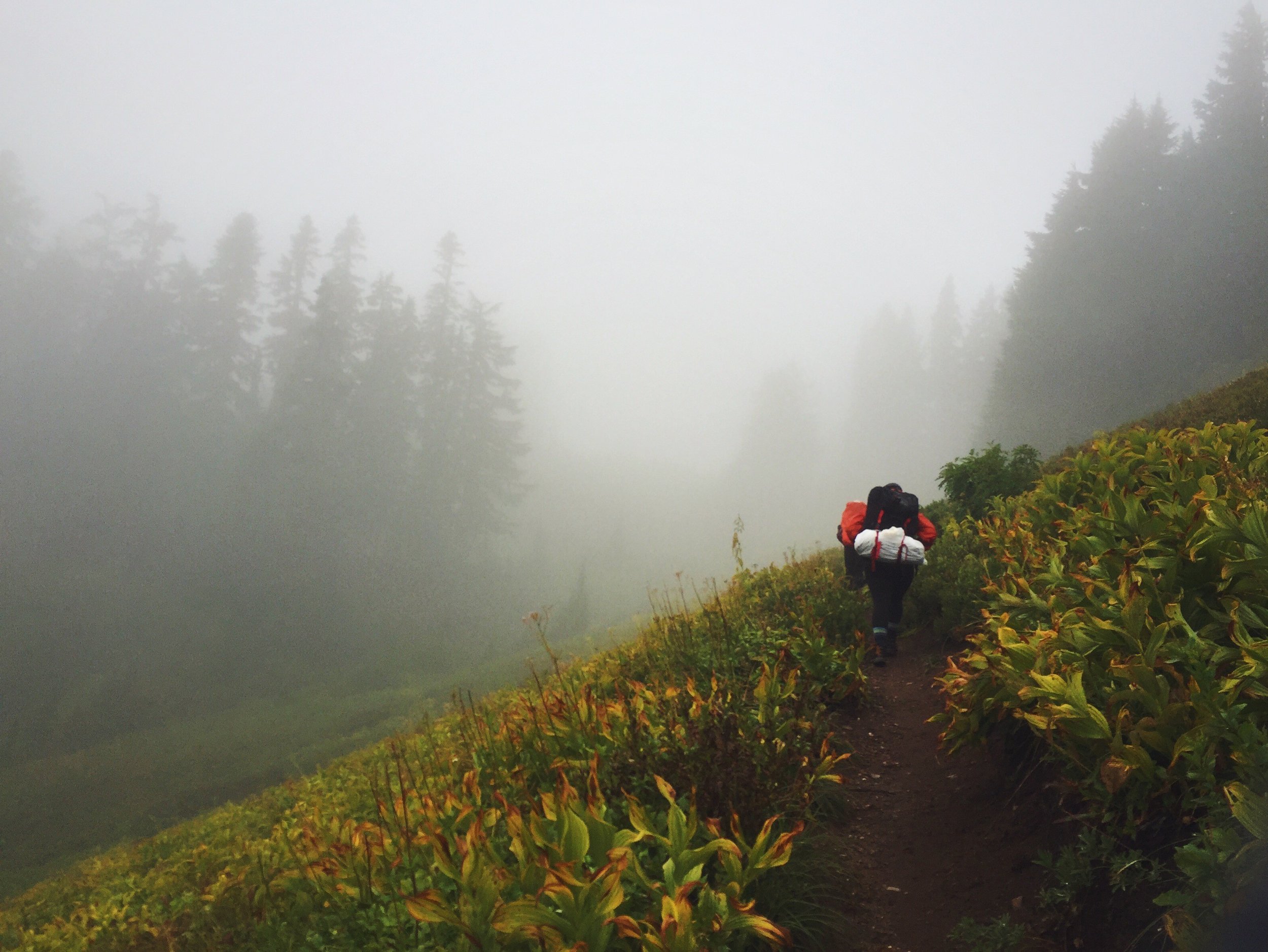
Walk + talk sessions offer an alternative to the traditional office setting by integrating movement and nature into the therapeutic process. Rather than sitting face-to-face indoors, we meet in natural spaces—such as a park or wooded trail—and engage in therapy while walking side by side at a pace that feels comfortable for you.
For many people, this format creates a greater sense of ease. Walking together can reduce the intensity of direct eye contact, support more natural conversation, and help clients feel less “on the spot.” The physical act of moving can also support emotional processing and help loosen patterns of feeling stuck, shut down, or disconnected.
From a clinical perspective, incorporating movement and nature into therapy is supported by research: walking can improve mood, reduce symptoms of anxiety and depression, and support nervous system regulation. The natural environment provides calming sensory input—sound, light, texture—that can enhance grounding, emotional awareness, and presence.
Walk + talk therapy may be especially helpful if you:
Struggle to feel comfortable or engaged in traditional office-based therapy
Experience anxiety, trauma-related symptoms, or grief
Find that you process thoughts and emotions more easily while moving
Are seeking a more embodied, integrative approach to therapy
Feel a sense of calm, clarity, or connection in nature
You don’t need to be athletic or particularly outdoorsy to benefit. Sessions are always tailored to your physical comfort and emotional needs. We can walk, pause, sit, or adapt depending on what feels right for you. This modality is grounded in a trauma-informed, consent-based approach that centers your experience and choice every step of the way.
Frequently Asked Questions
-
YES! And you get to choose; some clients love meeting when it’s hot outside, others prefer a light drizzle. As long as temperatures are above 40 degrees and it isn’t actively down pouring, we can meet outside. We may make a game-time decision to do our session under a shelter at the park or inside one of our cars if the weather shifts quickly on us.
I monitor the weather and will check in prior to sessions to assess if we are meeting outside or should proactively move therapy to tele-health.
-
As the Swedish saying goes, “There’s no such thing as bad weather, only bad clothing.” Being prepared helps make our time outdoors more comfortable and supportive—whatever the weather brings.
Here’s what you might want to bring:
Layers + weather-appropriate clothing (think rain jacket, hat, gloves, or sun protection)
Comfortable walking shoes (no flip-flops!)
Water to stay hydrated
Optional: a small snack, fidget, or anything that helps you feel grounded
-
Switching our session to tele-health is always an option! We can still incorporate elements of nature in our virtual sessions. Additionally, if the weather changes suddenly, there is always the option to have our session in one of the park shelters or sitting in a car.
-
You can always request a preferred location! I have intentionally chosen a few locations that have a variety of topography and spaces in which I am familiar (so we don’t get lost!) but I am always open to new ideas for places to meet!
My daily schedule usually includes both tele-health and outdoor sessions so locations are dependent on schedule, the drivability (aka traffic!) and the capacity for both myself and you to get there!
-
Absolutely! We can switch back and forth or incorporate whatever cadence works for you and your schedule!
-
Because walk-and-talk sessions take place outdoors in public spaces, complete confidentiality cannot be guaranteed. While we’ll choose quiet, low-traffic areas and do our best to protect your privacy, there’s always a chance we could encounter other people. If that happens, we can pause the conversation, shift topics, or adjust our route to maintain discretion.
We’ll talk about this more in our initial session, and collaborate on what feels most comfortable and safe for you when we’re outside. Your consent and preferences will always guide how we move forward.
Land
Acknowledgement
In my therapy practice, I have the privilege of working and walking on the unceded ancestral lands of the Dxʷdəwʔabš (Duwamish) Coast Salish and sdukʷalbixʷ (Snoqualmie), within the homelands of the Cayuse, Umatilla, and Walla Walla peoples. These lands are more than a backdrop for healing—they are active participants. As we walk together, we are held by landscapes shaped by generations of Indigenous care, presence, and wisdom. Pausing to acknowledge this is a small way to show respect for the people who have always been here, and for the land that continues to offer space for connection and restoration.As an act of reciprocity and gratitude, I pay rent to the Duwamish Tribe each month and donate to local organizations that help care for the parks where I meet with clients. These steps are not a substitute for justice but they are part of an ongoing commitment to accountability and respect.Land acknowledgements are just a beginning. I invite you to explore the history of the land you’re on using Native Land Digital, a resource that maps Indigenous territories, languages, and treaties. Perhaps take a moment to pause, reflect, and consider how you might honor the land beneath your own feet.